7 Common Misconceptions About Separation & Divorce in North Carolina
When it comes to separation and divorce in North Carolina, there's a lot of misinformation floating around. Whether it's based on outdated laws, pop culture, or myths passed down like urban legends, these misconceptions can seriously confuse—and even hurt—people trying to make informed decisions about their relationships and futures. Below are seven of the most common misconceptions about separation and divorce in North Carolina, and the reality behind each one.
Misconception 1: You're Not "Actually" Separated Unless You Sign Something
Under North Carolina family law, legal separation begins when spouses start living under separate roofs with the intent for the separation to be permanent. You do not need to sign a separation agreement for the separation period in NC to begin.
What does not count as legal separation in North Carolina:
- Sleeping in separate bedrooms
- One person living in the FROG (Finished Room Over Garage)
- Living in the same house but not interacting
This was clarified in the 1945 North Carolina case Dudley v. Dudley , where the Court stated that separation must be "open and notorious"—meaning it must be visible enough that others can tell the couple is no longer living together as husband and wife.
One brief reconciliation does not reset the one-year separation period, but consistent cohabitation will. If you're wondering whether you even need a formal agreement once you do separate, check out our post: Do I Really Need a Separation Agreement? And if you're ready to move forward with one, How to Draft a Good Separation Agreement: The Nuts and Bolts walks you through the process step by step.
Misconception 2: Both Parties Have to Agree to the Divorce
Despite what movies show—like Sweet Home Alabama , where a spouse refuses to sign the "divorce papers"—this is not how divorce works in North Carolina. Only one spouse is required to file for divorce in NC.
The reality:
- You don't need your spouse's permission to get divorced.
- The Court will not let one spouse hold the other hostage in a dead marriage.
- Only one person has to intend to end the marriage for legal separation in North Carolina to begin.
- There are no magic divorce papers that both parties must sign to finalize the divorce.

Misconception 3: I Have to Wait a Year to File for Equitable Distribution or Alimony
You can file for equitable distribution and alimony in North Carolina before your divorce is finalized. In fact, you must file these claims before the divorce judgment is entered—or you risk losing the right to pursue them entirely.
During the separation period in NC, you can:
- File for Post-Separation Support (PSS)
- Seek interim distributions of marital property
- Enter into mediation or negotiation
- File for a Temporary Restraining Order (TRO) if needed
This is a critical point that many people miss—and missing it can be costly. We cover exactly why in our post Why You Shouldn't Divorce Before Property is Settled. Speaking with a qualified North Carolina divorce attorney early in the process is essential. Waiting too long can cost you rights you didn't even know you had.
Misconception 4: I'll Get Everything Because My Spouse Cheated
Infidelity doesn't guarantee a financial win in your North Carolina divorce case. Here's the reality:
- Adultery does not affect equitable distribution of assets.
- It can impact alimony, particularly if the cheating spouse is seeking support.
- In cases of excessive spending on an affair partner, you may have a claim for marital waste.
Yes, cheating can matter—but it's not an automatic advantage in NC divorce proceedings. For a deeper look at how the courts actually weigh this, read Do North Carolina Courts Consider Marital Misconduct?
Misconception 5: Everything Is in My Spouse's Name, So I Get Nothing
North Carolina is an equitable distribution state, meaning how property is titled doesn't determine who gets it. What matters in North Carolina property division is:
- When the asset was acquired (during or before the marriage)
- Whether it qualifies as marital property
- The date of separation (DOS)
- Any exceptions like premarital agreements or separate property transfers
Even if your spouse's name is on the bank account or deed, you could still be entitled to your fair share. For a comprehensive breakdown of how this works, see The In's and Out's of Property Division in North Carolina. A divorce lawyer can help uncover all marital assets through the formal discovery process—learn more about how that works in What Is Discovery and How Can I Use It?
Misconception 6: Divorce Means Going to Court
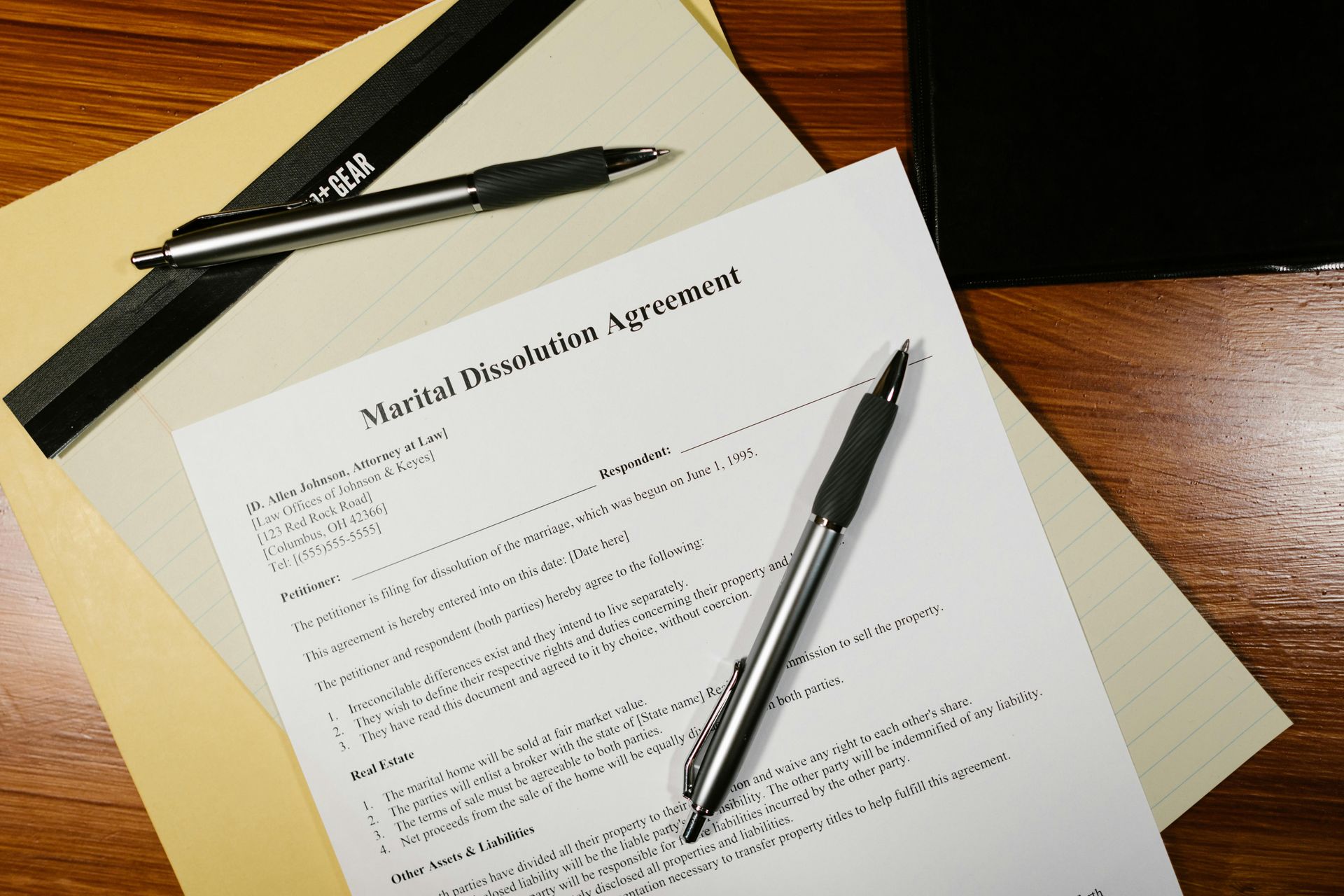
Not all North Carolina divorce cases end up in court. Spouses can create a separation agreement in NC —a private, legally binding contract that can address child custody and support, alimony, and property and debt division.
Benefits of separation agreements in NC:
- Faster and less expensive than litigation
- More privacy and control over the outcome
- Ideal for cooperative spouses or those wanting to avoid courtroom drama
This approach is often the preferred path when both parties are willing to work together. For more on how to make this work in your favor, read Avoid Court While Going Through a Divorce.
Misconception 7: The Courts Favor Mothers in Custody Cases
North Carolina child custody laws are gender-neutral. The courts follow the "best interests of the child" standard, which focuses on:
- Stability in each home
- Each parent's involvement in the child's life
- Who managed the child's day-to-day care during the marriage
There is no legal presumption that mothers get custody in NC. Fathers can and do win primary custody when they demonstrate they're the better caregiver based on the child's needs. For the full picture on how custody decisions are made, start with What Should Parents Know about Child Custody in North Carolina? We also have dedicated guides for both Fathers' Rights in Custody Cases and Mothers' Rights in Custody Cases.
Final Thoughts
Navigating separation and divorce in North Carolina doesn't have to be confusing or overwhelming. When you're armed with the facts and supported by a trusted North Carolina divorce lawyer, you can make informed decisions that protect your future.
If you want to learn more about common misconceptions in North Carolina Family Law, check out the episode on our podcast: Eat, Drink, and Remarry .
Need help with a divorce or separation in North Carolina? Our experienced family law attorneys are here to guide you every step of the way. Contact us today for a consultation.
Share This Post